If you are thinking about a move in Hanford, one question usually comes up fast: What does daily life really look like here? That matters just as much as square footage or price, especially when you want a home that fits your routine, budget, and long-term plans. Hanford offers a mix of historic character, mostly single-family housing, and practical day-to-day convenience. Let’s take a closer look.
Hanford at a glance
Hanford is the county seat of Kings County and an important commercial and cultural center in the south-central San Joaquin Valley. The city’s latest population estimate is 62,229 residents, which gives it a solid small-city feel with everyday services and local activity.
The population is also relatively young and household-oriented. The median age is 32.5, 28.7% of residents are under 18, and the average household size is 3.0 people. Census data also shows that 91.0% of residents lived in the same home one year earlier, which points to a community where many people put down roots.
Hanford is also diverse in language and background. QuickFacts reports that 51.4% of residents identify as Hispanic or Latino, and 32.4% of people age 5 and older speak a language other than English at home. For many buyers, that can be an important part of feeling connected to a community.
Housing styles in Hanford
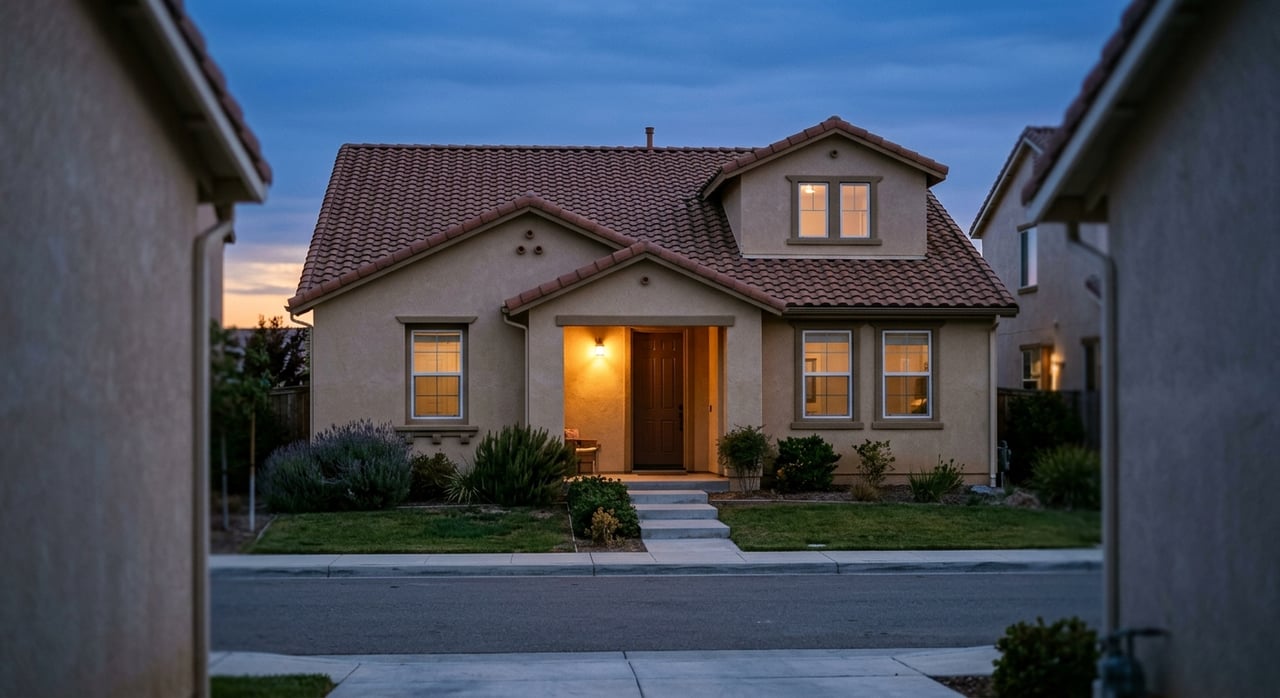
Hanford’s housing stock leans strongly toward detached homes. The city has 20,433 housing units, a 62.1% owner-occupied rate, and a median owner-occupied home value of $349,400. Median gross rent is $1,309, and ACS data shows that 76% of the housing stock is made up of single-unit structures.
That means if you are searching for a traditional home setup with a yard, driveway, or more separation from neighbors, Hanford likely gives you plenty of options. At the same time, the market is not limited to one format. There are also some multifamily and mobile-home options, which can open up different price points and living arrangements.
Older homes and historic character
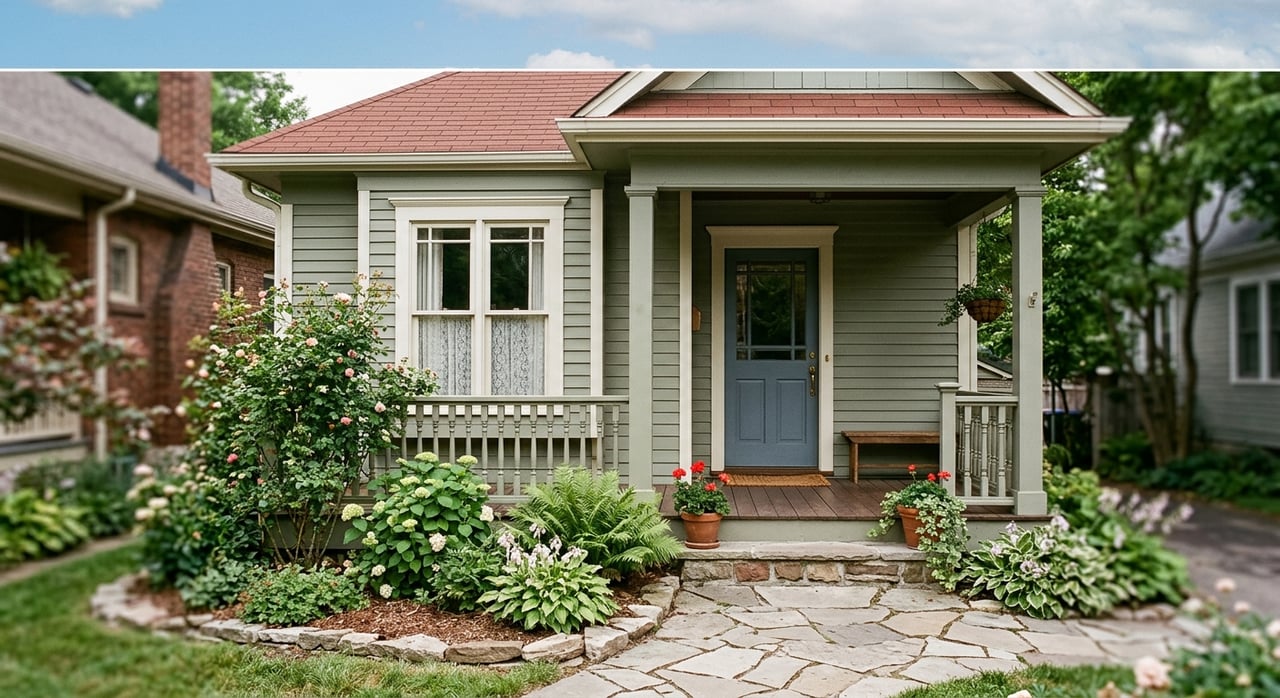
One of Hanford’s most distinctive features is its older core. City planning documents identify architectural styles such as Queen Anne and Victorian, Romanesque, Classical Revival, Spanish Revival and Mission Revival, Craftsman, Bungalow, and Moderne-era design.
Many of these older styles still exist in the city today. If you enjoy homes with visible architectural detail, mature surroundings, and a sense of local history, Hanford has areas where that character still stands out.
The city also established its historic district in 1980 to encourage restoration and rehabilitation of historic structures. That tells you historic preservation is part of Hanford’s identity, not just a footnote.
Newer neighborhoods and planned development
Hanford also includes later growth areas that feel different from the original town center. The city’s early layout followed a grid pattern, while later development introduced curving streets and cul-de-sacs.
In practical terms, that often creates two different housing experiences. Near the older core, you may find more traditional street layouts and older architectural styles. In newer sections, you are more likely to see planned subdivisions and low-density residential areas designed mainly for single-family homes.
What everyday living feels like
A city can look good on paper and still feel hard to live in. Hanford’s day-to-day appeal comes from how housing, parks, downtown spaces, and transportation fit together in real life.
For many households, that means having room to spread out, places to gather, and a downtown that still plays an active role in the city. Hanford checks those boxes in a practical, accessible way.
Parks and outdoor spaces
Hanford’s Parks & Community Services Department cares for more than 209 acres of parks, athletic fields, and landscaped areas throughout the city. That includes spaces in downtown, Courthouse Square, city parking areas, the Industrial Park, the Airport, and the Intermodal Station.
For buyers who want access to open space and recreation, this is a meaningful part of daily life. Park access can shape everything from morning walks to weekend gatherings to children’s play time.
City materials name several reservation-capable park spaces, including:
- Civic Park
- Coe Park
- Lacey Park
- Centennial Park
- Freedom Park
- Hidden Valley Park
This kind of park network can make a city feel more usable, not just more attractive. It gives residents more options for outdoor time close to home.
Downtown Hanford and local rhythm
Downtown Hanford is one of the city’s everyday anchors. Historic Courthouse Square sits at the center of downtown and includes the original Kings County Courthouse from 1896 and Sheriff’s Office from 1897, which are now used for office, retail, and restaurant space.
That blend of history and current use helps downtown feel active rather than frozen in time. For residents, it means the historic core is still part of normal life, whether you are meeting someone, grabbing a meal, or spending time in the area.
The city’s downtown improvement efforts also focus on pedestrian and bicycle connections between the Amtrak station, Civic Center, historic China Alley, and the KART transit station. That kind of planning matters because it supports how people move through the area, not just how it looks.
Community events and local connection
Community events can tell you a lot about a place. Hanford maintains an active city events calendar, and examples include the annual Renaissance of Kings Faire at Civic Park and the Easter Egg Hunt at Historic Civic Park.
For buyers, that adds another layer to the lifestyle picture. A home search is not only about the house itself. It is also about whether a city offers shared spaces and local traditions that help you feel part of something.
Getting around Hanford
Hanford is mostly a driving city. ACS data shows a mean travel time to work of 22.6 minutes, with 75% of workers driving alone and 14% carpooling. About 7% work from home, while public transit use rounds to essentially zero in the estimate.
That commute pattern is important when you are choosing where to live. In Hanford, many buyers will want to think first about driving routes, daily convenience, and how close they want to be to work, shopping, or family.
Train and bus access
Even though most people drive, Hanford still offers meaningful transit options for longer trips and regional connections. Local public transportation is provided by Kings Area Rural Transit, also called KART.
The Hanford Train Station is located at 200 Santa Fe Avenue. Amtrak identifies it as a working train station, and the depot, originally built in 1897, still includes a waiting room, offices, and commercial space.
Regional bus service is also part of the picture. The city announced Cross Valley Corridor Phase 1 bus service with connections to the Hanford Amtrak Station, KART Transit Center, and Visalia Transit Center. For some households, that extra flexibility can be a useful bonus.
What this means for buyers
Hanford can appeal to buyers who want a city with a mostly single-family housing base, a visible historic core, and practical day-to-day amenities. You have a mix of home styles, from older character properties to newer subdivision living, along with parks, downtown destinations, and regional transportation connections.
If you are comparing Central Valley communities, Hanford stands out for its balance. It offers established neighborhoods, recognizable local identity, and everyday functionality without losing its historical roots.
For first-time buyers, move-up households, and even buyers thinking about long-term flexibility, that mix can be especially useful. You may be able to focus your search based on the kind of living experience you want, not just the number of bedrooms.
How to narrow your home search
As you look at Hanford, it helps to break your search into a few simple lifestyle questions:
- Do you prefer historic character or a newer subdivision feel?
- Do you want to be closer to downtown activity or in a later-built residential area?
- How important are parks and outdoor spaces to your routine?
- Will your commute be mostly by car, or do train and bus access matter?
- Do you need a home setup that supports multigenerational living, future flexibility, or rental potential?
These questions can help you move beyond broad online searches. They give you a clearer way to identify which parts of Hanford may fit your goals best.
A local guide can also help you compare property types, explain what is typical in different parts of the city, and keep your search grounded in what works for your real life. If you want practical help understanding Hanford’s housing options and everyday lifestyle, schedule a consultation with Johanna Rue-Duval Arroyo.
FAQs
What types of homes are most common in Hanford, California?
- Hanford’s housing stock is mostly detached housing, with 76% of units in single-unit structures and a 62.1% owner-occupied rate.
What is everyday life like in Hanford, California?
- Everyday living in Hanford includes access to more than 209 acres of parks and landscaped areas, a historic downtown anchored by Courthouse Square, and community events held in public spaces like Civic Park.
Does Hanford, California have historic homes?
- Yes. City planning documents identify styles such as Queen Anne, Victorian, Craftsman, Bungalow, Spanish Revival, Mission Revival, and other historic architectural types that still exist in Hanford.
Is Hanford, California mostly a driving community?
- Yes. Census data shows most workers commute by car, with 75% driving alone and 14% carpooling, although Hanford also has KART transit, an Amtrak station, and regional bus connections.
Is Hanford, California a good place to look for single-family homes?
- Hanford may appeal to buyers looking for single-family housing because the city’s housing stock is heavily weighted toward detached homes, with both older character areas and newer planned neighborhoods.