If you have been thinking about buying your first rental property, Hanford may already be on your radar. It offers a lower median home value than California overall, a solid base of both owners and renters, and housing types that can fit different investment goals. If you want a practical look at what to expect before you buy, this guide will help you think through the numbers, property types, upkeep, and management needs. Let’s dive in.
Why Hanford gets investor attention
Hanford is a value-oriented market in the Central Valley. Census data in the research report shows 59,754 residents, 20,433 housing units, and 19,518 households, with a median owner-occupied home value of $349,400 and a median gross rent of $1,309.
That mix matters if you are just getting started. It suggests a market where rental demand is part of the local housing picture, while home prices remain below the broader California median. For many small investors, that can make Hanford feel more approachable than higher-cost markets.
The city also has a 62.1% owner-occupied housing-unit rate. That tells you Hanford is not only a renter market. It is a place where owner-occupants and renters both shape demand, which is useful when you are thinking about resale options later.
Start with the most common property types
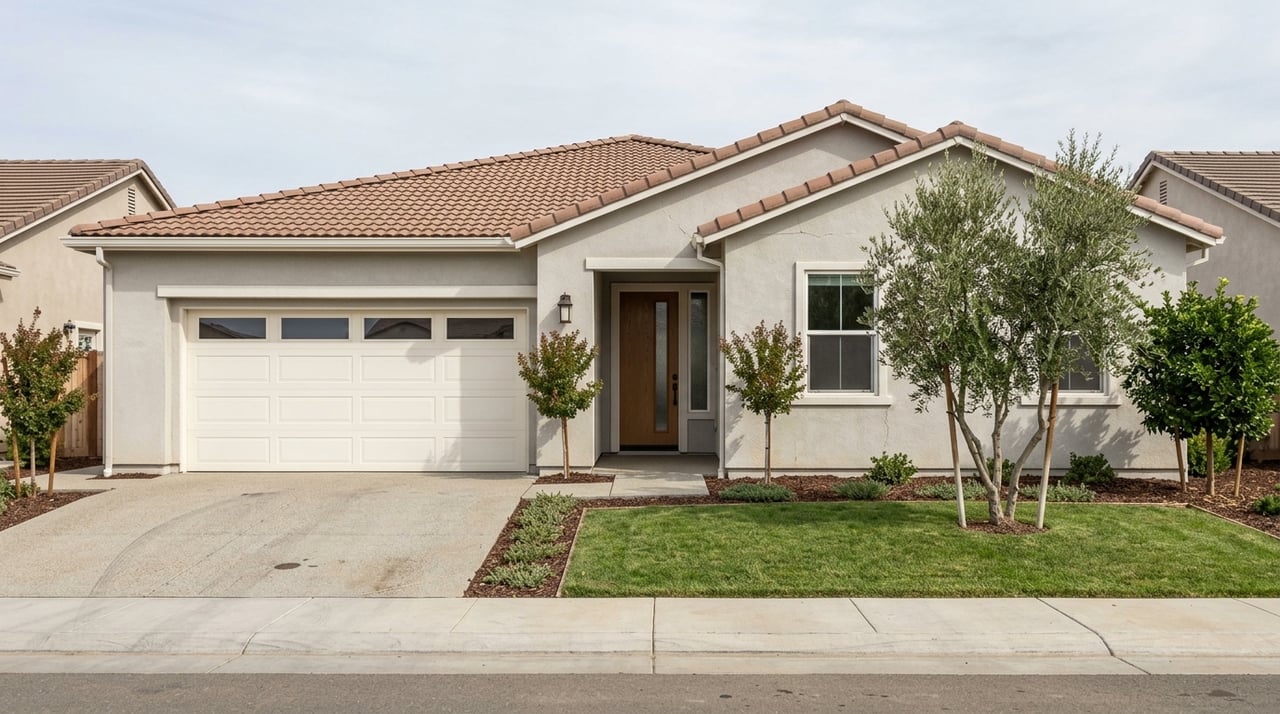
In Hanford, detached single-family homes make up the largest share of housing stock. A city housing table cited in the research report shows about 74% of units are 1-unit detached homes.
For a new investor, that often makes single-family rentals the easiest place to start. You will likely see more of them on the market, and they can be simpler to understand from a maintenance and tenant-use standpoint.
That said, Hanford is not limited to single-family homes. The same city data shows 10.6% of the housing stock is 2-to-4-unit properties, 6.9% is 5-to-19-unit properties, and 5% is 20-plus-unit properties.
If you want multiple income streams from one purchase, duplexes, fourplexes, and small apartment buildings may also be worth watching. These can offer different cash flow dynamics, but they also bring more moving parts when it comes to repairs, turnover, and day-to-day oversight.
Why two-bedroom layouts matter
The city’s housing analysis found renter households are concentrated in 2-bedroom units. That is a helpful detail if you are trying to match your purchase to likely renter demand.
It does not mean every investor should only buy a 2-bedroom property. It does mean family-sized rentals may be a practical part of your search criteria, especially when you want a layout that fits a broad range of renters.
Consider ADU potential carefully
Hanford has an official ADU and JADU pathway. According to the city information in the research report, ADUs are permitted under state law, the city offers pre-approved plans, and approvals use an administrative approval and site plan review process.
For some buyers, that creates a long-term value-add opportunity. A property with the right lot setup may offer the potential for an accessory dwelling unit later, which could create added rental income or more flexible use of the property.
Still, ADU potential should be treated as a research item, not an assumption. Before you count on extra income, you would want to confirm the site, approval pathway, and costs for that specific property.
Build your budget around maintenance
One of the biggest mistakes new investors make is underestimating repairs. In Hanford, that risk is especially important because the city’s housing analysis says most units are more than 30 years old and many owner- and renter-occupied homes need frequent maintenance and preservation.
That means inspections should do more than help you decide whether to move forward. They should help you create a realistic repair budget for the first year and beyond.
When you walk a property, try to think past the purchase price. Ask yourself what the roof, HVAC, exterior surfaces, and interior systems may need over time, especially if the home shows signs of age.
Heat can affect operating costs
Hanford’s climate also matters. The research report notes average highs of 93.6°F in July and 92.2°F in August based on 1991 to 2020 normals.
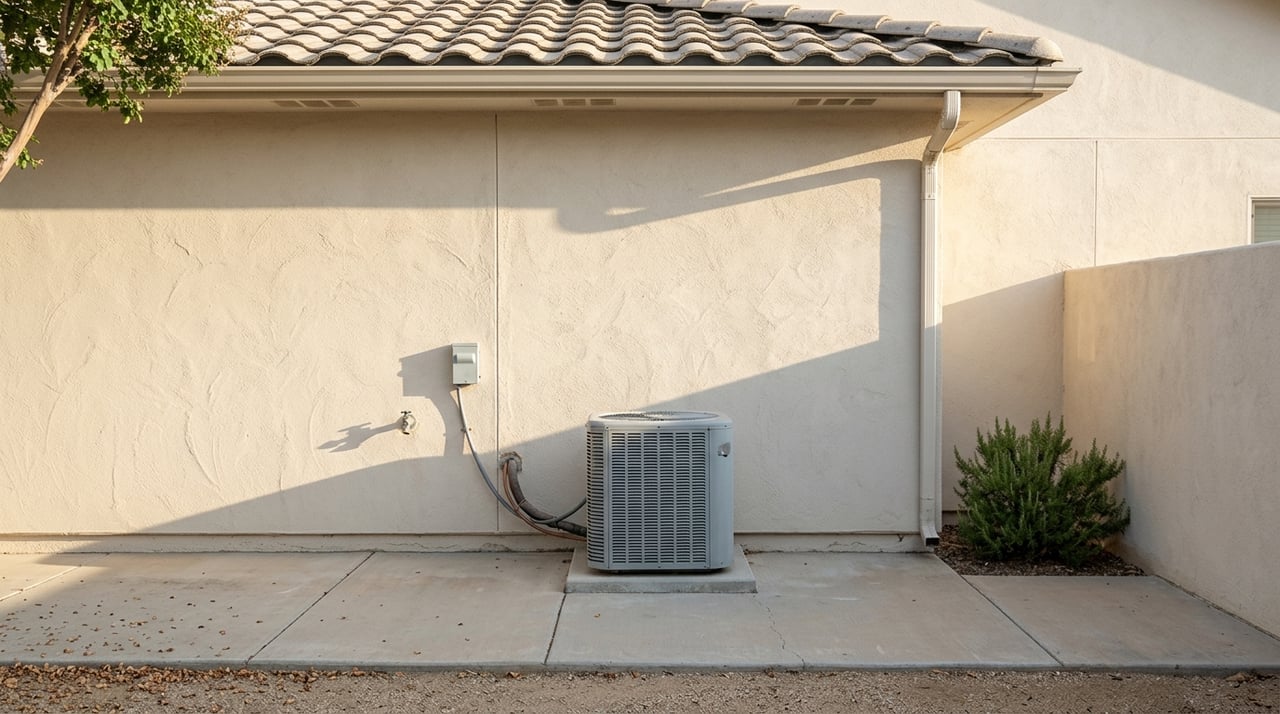
Hot weather can put more stress on systems and surfaces over time. For a rental owner, that makes cooling performance, roof condition, exterior paint, and irrigation planning especially important when evaluating ongoing costs.
Older homes may need lead-safe planning
If you are looking at an older property, renovation planning matters too. The research report notes that homes built before 1978 may contain lead paint, so updates on older homes should be handled with lead-safe precautions.
That is one more reason to treat rehab planning seriously from the start. A lower purchase price can still become expensive if repair scope is larger than expected.
Expect some turnover and make-ready time
No rental stays perfectly steady all the time. Census data in the research report shows 5,293 Hanford residents moved in the previous year, which is about 9% of the population.
The same report also points to a simple gap between total housing units and households of about 915 units, or roughly 4.5%. That is not the same as the official rental vacancy rate, but it does suggest you should plan for occasional turnover and time between tenants.
For a new investor, this is a budgeting issue as much as a leasing issue. You do not want your numbers to work only when the property is occupied every single day of the year.
A safer plan is to assume there will be some make-ready time. Cleaning, repairs, advertising, screening, and move-in coordination all take time, even in a healthy market.
Know the California rules before you buy
If you are investing in Hanford, you also need to understand California’s rental rules. The research report points to the California Tenant Protection Act as a key statewide law for many residential rentals.
According to the California Attorney General information cited in the report, most annual rent increases are capped at 5% plus CPI or 10%, whichever is lower. The same source says just cause is required for many residential evictions.
The report also notes that some single-family properties may be exempt, but only when specific conditions are met, including required written notice and ownership rules. Because exemptions depend on details, this is an area where careful review matters before you rely on one.
Security deposit rules matter too
The research report also states that, for most rentals, security deposits are limited to one month’s rent. It further notes that deposits must be returned with an itemized statement within 21 days after move-out.
These are not small details. They affect how you set up your leasing process, bookkeeping, and move-out procedures from day one.
Property management can protect your time
Many first-time investors start by thinking they will manage everything themselves. Sometimes that works, but it is important to understand what good management actually includes.
The California Department of Real Estate information in the research report says a property manager should analyze comparable rents, inspect vacant space, maintain repairs promptly, keep owner reports, and know applicable laws. That is a broad job, not just collecting rent.
The same DRE guidance says owners should verify an active DRE license, ask how tenants are screened, confirm trust-account setup, and review how repairs are handled when hiring management. Those are smart questions whether you hire management right away or later.
For some owners, professional management becomes even more valuable when turnover happens. A clear system for notices, repairs, accounting, and leasing can help reduce legal and cash-flow surprises.
Fair housing compliance is part of the job
The research report also notes that California fair housing laws apply to landlords, apartment managers, property management companies, and tenant-screening companies. That means advertising, screening, and tenant interactions must be handled carefully and consistently.
For an investor, this is one more reason to build a professional process. A rental property is not just a purchase. It is an ongoing operation that needs structure.
A practical first-step plan for investors
If you are new to rental investing in Hanford, keep your first deal simple. Focus on buying a property you understand, in a condition and price range that leaves room for repairs, turnover, and compliance costs.
A practical starting checklist may look like this:
- Decide whether you want a single-family rental or a small multi-unit property
- Review likely repair needs based on age and condition
- Budget for HVAC, roof, paint, and general upkeep
- Consider whether ADU potential is a bonus, not a requirement
- Plan for some vacancy and make-ready time
- Learn which California rental rules may apply to your property
- Decide whether self-management or professional property management fits your goals
The best first rental is not always the cheapest property or the one with the biggest projected rent on paper. Often, it is the one with the clearest path to stable ownership and manageable risk.
Hanford can offer opportunity for investors who stay realistic. If you want help thinking through properties, comparing options, or discussing ongoing owner support, schedule a consultation with Johanna Rue-Duval Arroyo.
FAQs
What makes Hanford a possible rental investment market?
- Hanford combines a median owner-occupied home value of $349,400 with a median gross rent of $1,309, which points to a value-oriented market where both renters and owners are part of the housing mix.
What property type is most common for rental investing in Hanford?
- Detached single-family homes are the most common housing type in Hanford, making them a common entry point for first-time rental investors.
What should new investors watch for in older Hanford homes?
- Many homes are more than 30 years old, so you should pay close attention to maintenance needs, inspection findings, and possible lead-safe renovation precautions for homes built before 1978.
Are ADUs relevant for rental property investing in Hanford?
- Yes, they can be, because Hanford has an ADU and JADU pathway with pre-approved plans and an administrative review process, though each property still needs case-by-case review.
How should rental property owners plan for turnover in Hanford?
- You should budget for make-ready time between tenants, including cleaning, repairs, screening, and leasing, rather than assuming the property will stay occupied without interruption.
Why might a Hanford rental investor hire property management?
- Property management can help with rent analysis, repairs, reporting, tenant screening, and compliance, which can be especially useful for owners who want a more structured system or own property from outside the immediate area.