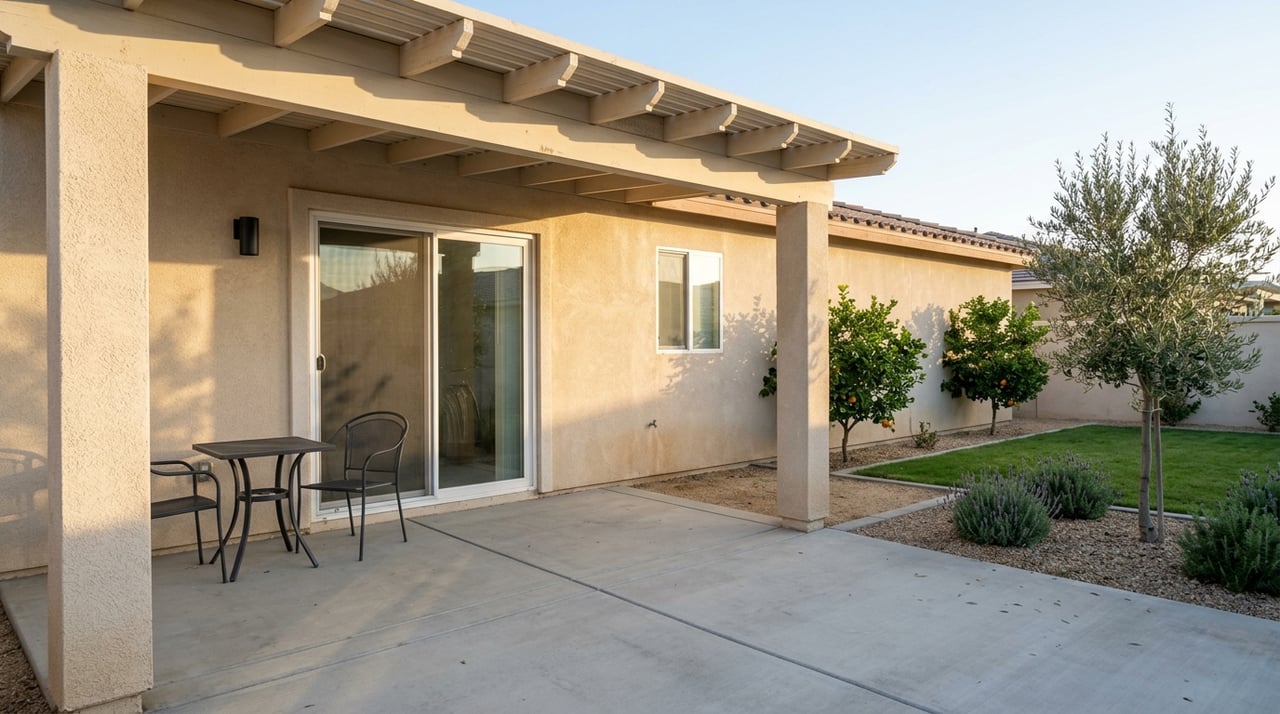
Selling your home can feel like trying to hit a moving target. You want enough time to prepare, price it right, and move forward without surprises. If you are planning to sell in Coalinga, a clear timeline can help you stay organized and make better decisions from day one. Here is a step-by-step look at what the home selling timeline often looks like in Coalinga, and what you can do at each stage to stay ahead.
Start planning early
In Coalinga, it helps to think about your sale well before you want the home to hit the market. Based on current local market data, a typical sale may take about 2 to 2.5 months to find a buyer, followed by 30 to 45 days in escrow if the buyer is financing. Some homes move faster, especially if they are well-prepared and priced well, but using a range is the safest way to plan in a small market like Coalinga. According to Redfin's Coalinga housing market data, some homes can go pending in about 23 days, while median time on market has been notably longer.
That is why many sellers benefit from starting the process 3 to 12 months before listing. Early planning gives you time to repair, declutter, gather paperwork, and choose the right strategy without feeling rushed.
3 to 12 months before listing
This is your preparation phase. The more you do here, the smoother the rest of the sale tends to be.
Choose your agent carefully
Before signing a listing agreement, take time to interview and verify a California DRE-licensed agent. The California Department of Real Estate explains that sellers should receive agency disclosure before signing, and the listing agreement authorizes the broker to market the home through the MLS, place signage, cooperate with buyer agents, and accept a good-faith deposit.
A strong agent helps you build a timeline, set expectations, and avoid delays that can come from missed paperwork or late decisions.
Declutter and handle repairs
Start with the basics that make a home easier to show and easier to evaluate. That may include clearing out extra furniture, organizing closets, patching small issues, and taking care of deferred maintenance.
This early stage also matters because California sellers have disclosure duties. The seller and agents involved in the transaction must address material facts that affect value or desirability, and agents have a duty to visually inspect accessible areas and disclose what is readily observable under California DRE guidance.
Gather documents early
You may need records for repairs, upgrades, permits, utility information, or other property details. Getting organized early can make disclosure paperwork easier later.
If your home was built before 1978, federal law requires lead-based paint disclosures before the contract is signed. That includes known information, available records, a warning statement, and a 10-day opportunity for the buyer to test for lead.
2 to 4 weeks before listing
This is the launch-prep phase. Your focus shifts from getting ready to making the home marketable.
Prepare for marketing
In a typical listing, marketing prep may include staging, professional photography, signage, open houses, and competitive pricing. The National Association of Realtors consumer guide on marketing your home outlines these common steps and the role an agent plays in coordinating them.
Your goal is simple: make it easy for buyers to understand the home and picture themselves living there. Clean presentation and clear pricing can make a big difference in the first few weeks on market.
Complete disclosures before accepting an offer
In California, timing matters with disclosures. The Natural Hazard Disclosure and Transfer Disclosure paperwork should ideally be completed before you accept an offer.
If those disclosures are delivered late, the buyer may have a window to cancel after receiving them. Under California DRE guidance, that is generally 3 days after in-person delivery or 5 days after delivery by mail or electronic means. Finishing disclosures early can help reduce avoidable delays.
Listing day to accepted offer
Once your home goes live, your main job is to stay ready and responsive. This is the active market phase of your sale.
Keep the home show-ready
Buyers may want to see the home on short notice, especially in the first days or weeks. Keeping the property clean, accessible, and photo-ready gives you the best chance to make a strong impression.
In Coalinga, current market reports suggest many listings may need roughly 2 to 2.5 months to attract the right buyer in a normal sale cycle. That means you should prepare for more than just one busy weekend. A consistent showing plan matters.
Review offers carefully
When offers come in, price is important, but it is not the only term that matters. You will also want to consider the buyer's financing, contingencies, requested credits, and proposed closing timeline.
Your agent should help you compare the full picture so you can make a decision that fits your goals, whether that is speed, certainty, or net proceeds.
Expect inspections and negotiation
After an offer is accepted, buyers commonly inspect the home and may request repairs or credits. Sellers must still disclose known material defects, and buyers may negotiate, move forward, or cancel during the inspection period if the contract allows it, based on California DRE disclosure guidance.
This is a normal part of the process. The key is to respond promptly and make informed decisions rather than reacting emotionally.
Escrow usually takes 30 to 45 days
After you accept an offer, escrow opens. In California, escrow is commonly handled by an independent escrow company or title insurer, and the escrow officer acts as a neutral party.
According to the California DRE escrow overview, the escrow officer processes documents, orders title work, requests payoff demands, prepares settlement statements, records the deed, and disburses funds. Standard escrows often run from a few weeks up to 30 to 60 days, making 30 to 45 days a reasonable planning baseline for many financed sales.
What happens during escrow
During escrow, several moving parts happen at once:
- The buyer completes inspections and loan steps
- Title work is reviewed
- Any agreed repairs or credits are handled
- Final documents are prepared
- Your payoff information and closing figures are confirmed
If the buyer is getting a mortgage, the lender must provide the Closing Disclosure at least 3 business days before closing. Because of that rule, last-minute loan changes can push the closing date back.
Know who handles what
Understanding each person's role can make the process feel much less stressful.
Your role as the seller
As the seller, your main responsibilities typically include:
- Preparing the home for market
- Completing disclosures
- Keeping the property available for showings and inspections
- Responding to repair requests
- Signing closing documents
- Moving out by the agreed possession date
Your agent's role
Your agent helps with pricing, marketing, MLS exposure, showings, offer presentation, and negotiation. California guidance also says the agent must complete a visual inspection of accessible areas and disclose readily observable material issues.
A guidance-focused local team can help you stay on track when deadlines, paperwork, and negotiations start stacking up.
Escrow and title's role
Escrow and title are neutral parties. They verify title and instructions, prepare settlement statements, record documents, and release funds once all conditions are met, according to the California DRE's escrow information for consumers.
Closing day and move-out
On closing day, the final documents are signed, funds are transferred, and the deed is recorded once all conditions are satisfied. In many cases, possession is delivered when escrow closes unless the contract says otherwise.
That is why it is smart to have your move-out plan ready before closing arrives. Make sure keys, garage remotes, utility transitions, and any agreed property items are organized in advance.
A practical Coalinga selling timeline
If you want a simple planning model, this is a realistic framework for many Coalinga sellers:
| Stage | Typical Timeframe |
|---|---|
| Planning and prep | 3 to 12 months before listing |
| Final listing prep | 2 to 4 weeks before listing |
| On market | About 2 to 2.5 months |
| Escrow after acceptance | About 30 to 45 days |
This is not a guarantee, but it is a helpful calendar based on current Coalinga market conditions and California transaction timelines. If you are hoping to sell by a certain season, school break, job change, or purchase deadline, working backward from your target date can help you set the right listing window.
When you want steady, local guidance, Johanna Rue-Duval Arroyo and the Golden Hills Real Estate team can help you build a selling plan that fits your timeline, your property, and your next move. Schedule a consultation.
FAQs
How long does it usually take to sell a home in Coalinga?
- Based on current local market data, a normal Coalinga sale may take about 2 to 2.5 months to find a buyer, plus about 30 to 45 days in escrow if financing is involved.
When should Coalinga homeowners start preparing to sell?
- Many sellers should start preparing 3 to 12 months before listing so they have time for repairs, decluttering, pricing strategy, and disclosure paperwork.
What disclosures do California home sellers need to complete?
- California sellers commonly need transfer-related disclosures, and homes built before 1978 may also require lead-based paint disclosures before contract signing.
Can late disclosures delay a California home sale?
- Yes. If key disclosures are delivered after offer acceptance, the buyer generally gets a period to cancel, which can slow the transaction.
What happens during escrow when you sell a home in Coalinga?
- During escrow, the neutral escrow officer helps process documents, coordinate title work, prepare settlement figures, and complete the closing once all terms and conditions are met.